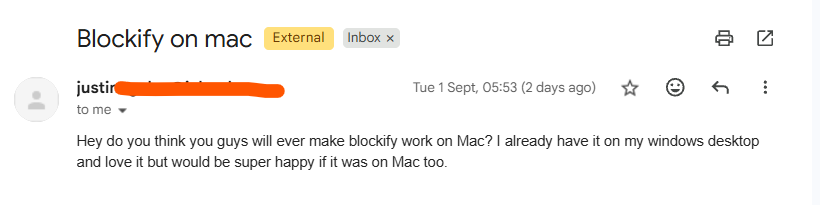
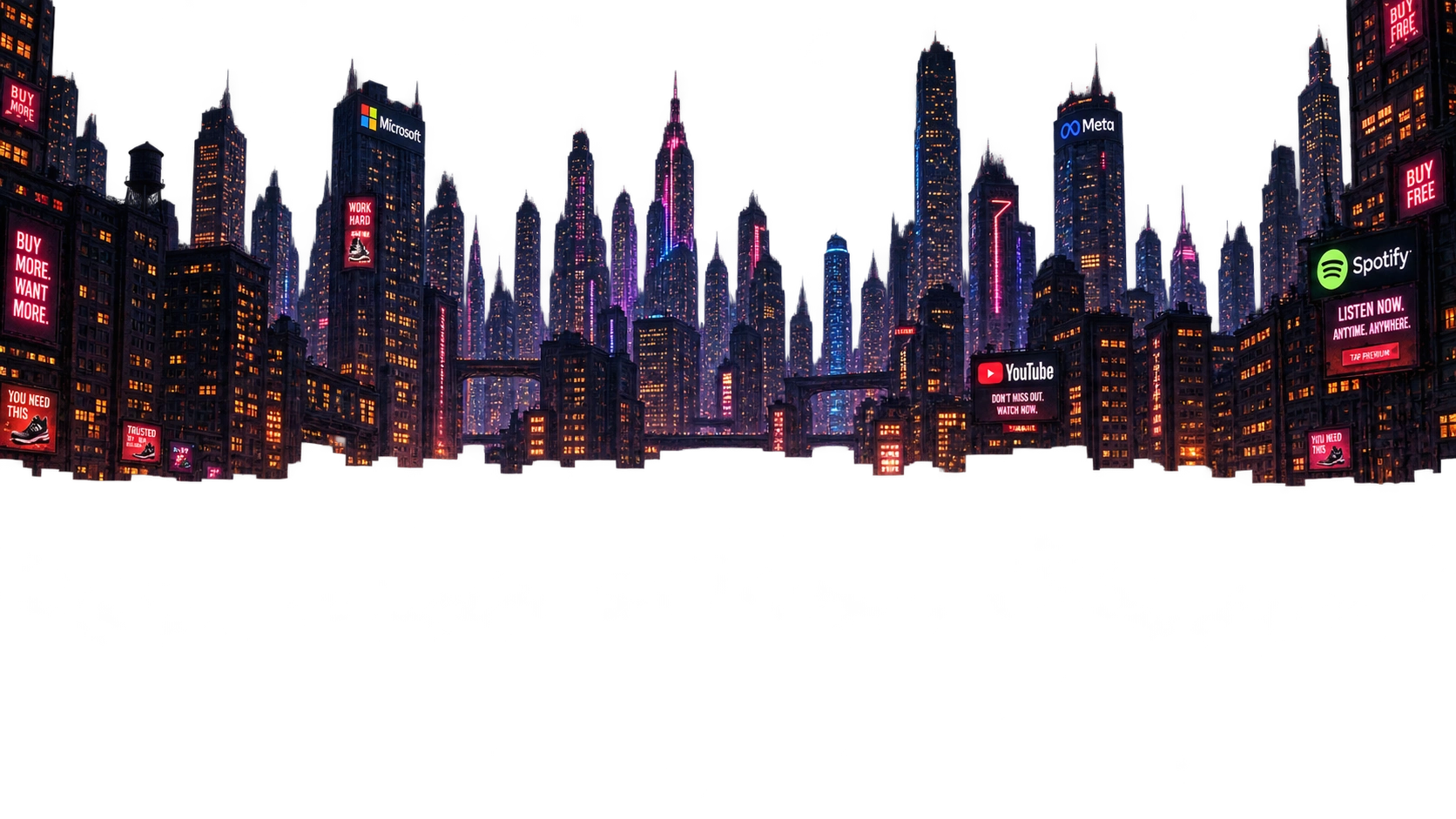
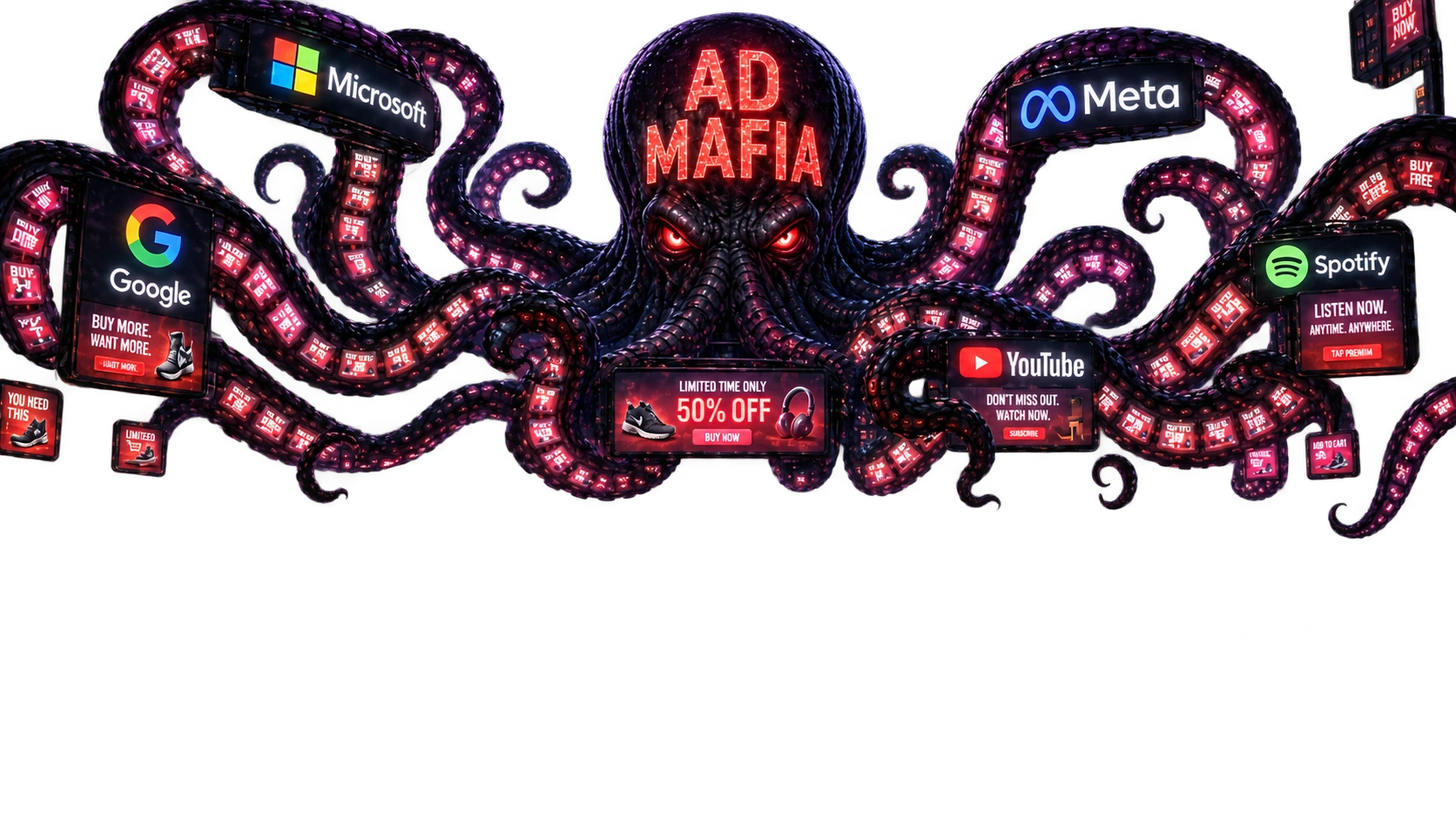
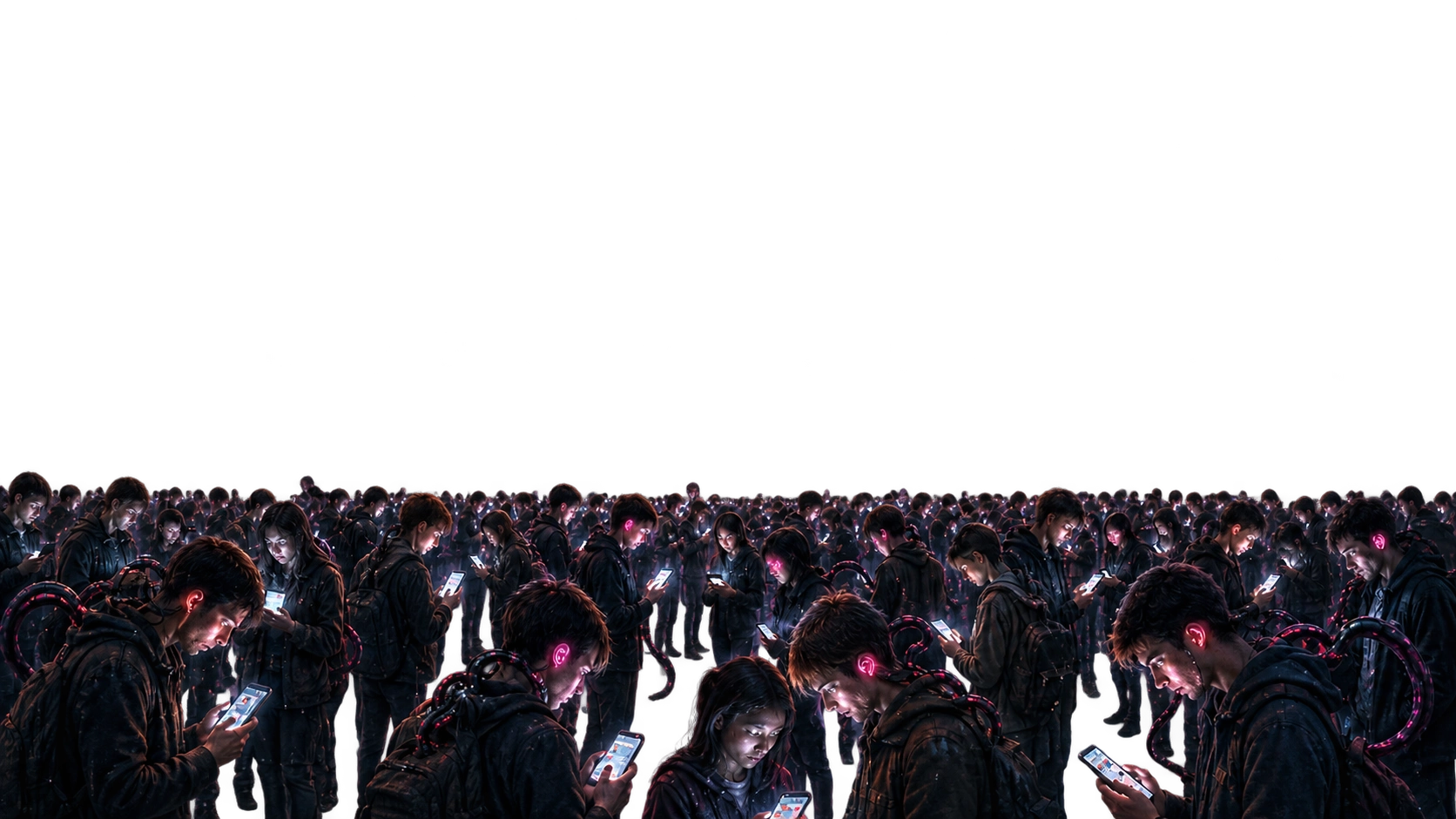
7 years. Same target: your attention, time, focus, and screens
An ad blocker is not a policy problem for them. It is a revenue problem.
We were not the first.
01
REWRITE
MV3 INTRODUCED
Manifest V3 rewrites the blocker rulebook.
02
SHUT OUT
MV2 DISCONTINUED
Google gives Manifest V2 an end date.
03
ENFORCE
YOUTUBE PLAYBACK WALL
YouTube makes ads a condition of playback.
04
DISABLE
MV2 DISABLED
Installed MV2 extensions are switched off.
05
REMOVE
uBLOCK ORIGIN REMOVED
uBlock Origin is removed from Chrome’s store.
06
TARGET
BLOCKIFY TARGETED
Then Google’s notices reach Blockify.
THE METHOD CHANGED.THE TARGET DIDN’T.
TO THE BLOCKIFY COMMUNITY
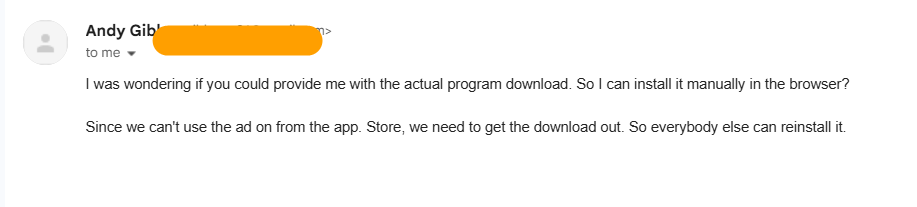
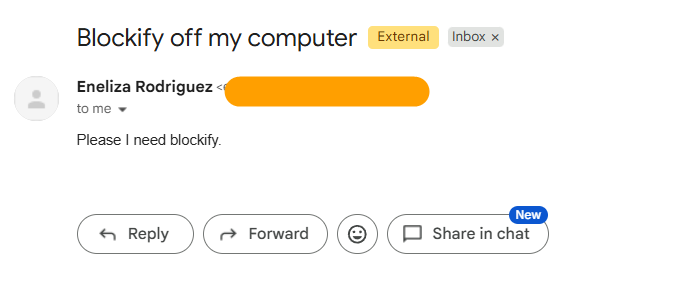
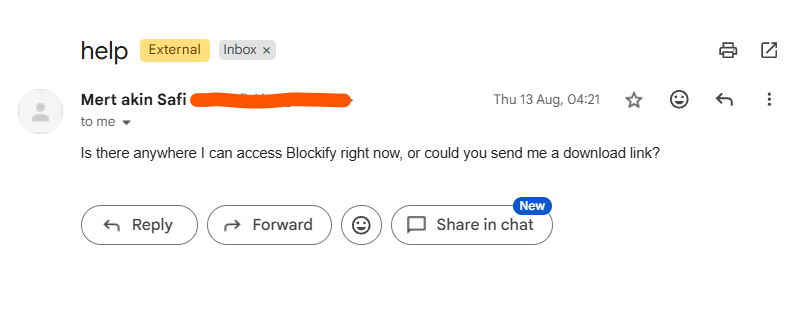
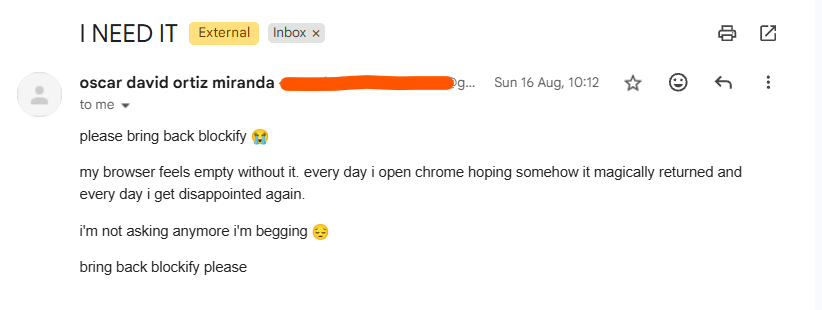
Thousands of emails asking one question: where did Blockify go?
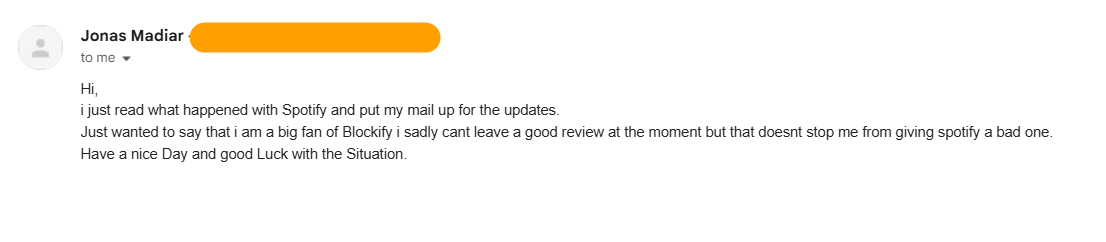
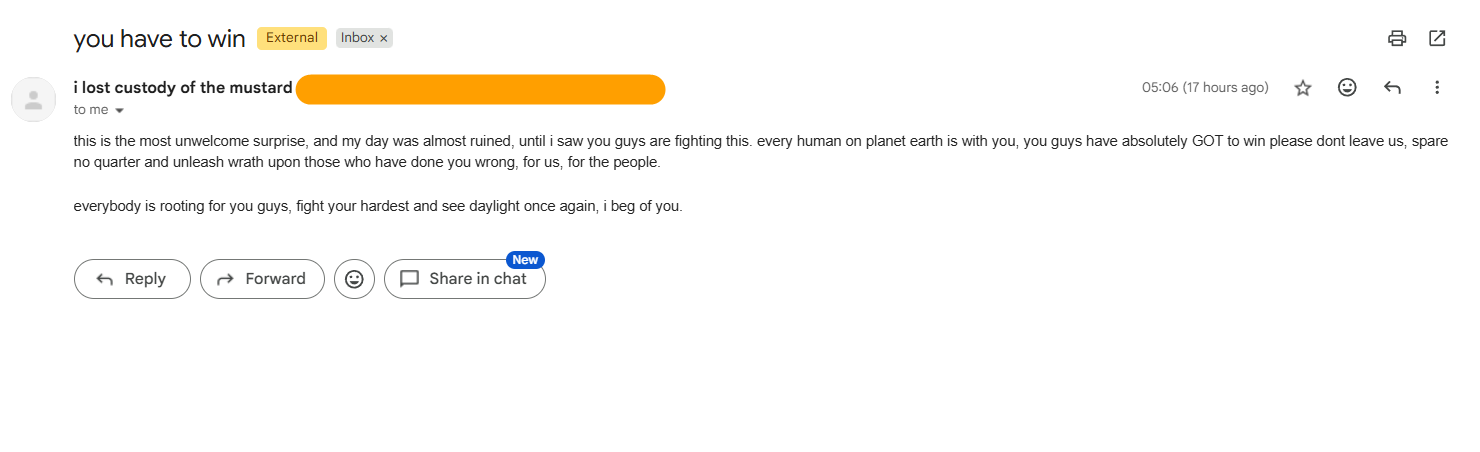
Your support kept us going.
A few clear answers
Questions about the update?
Blockify extension still disabled in your browser?
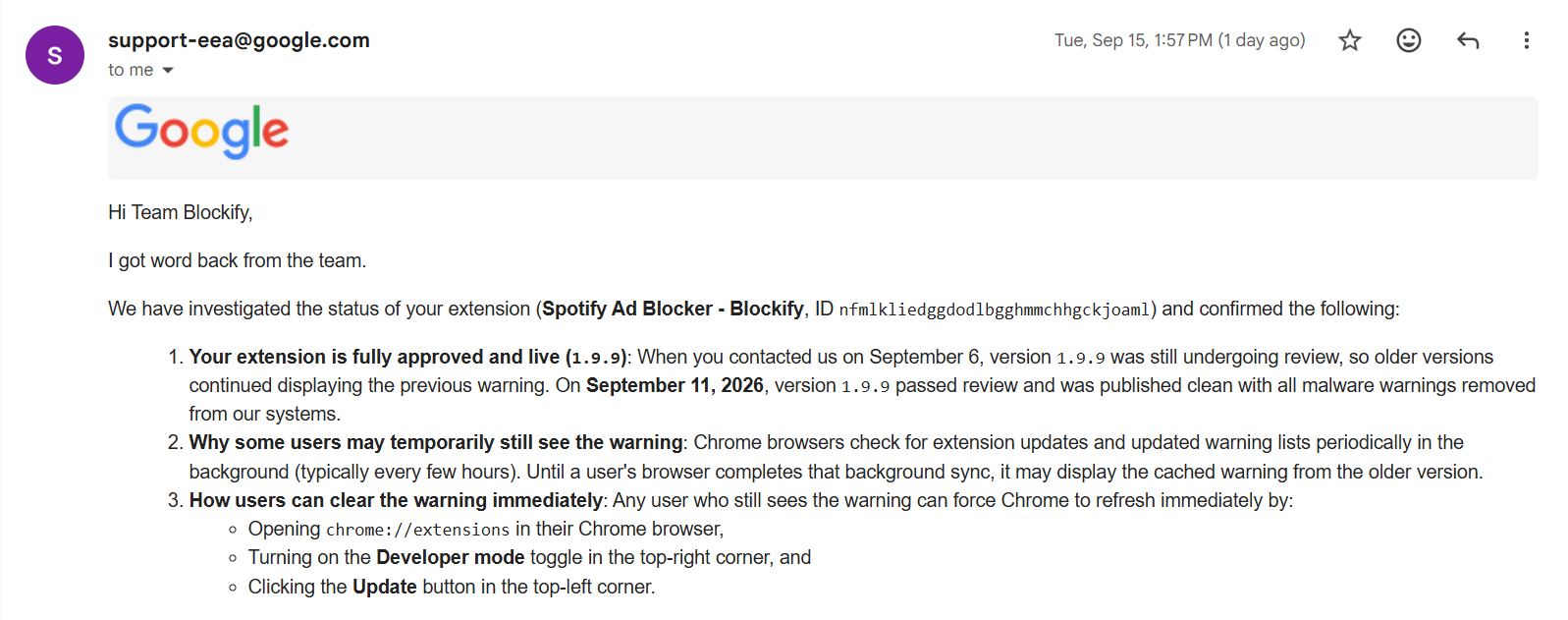
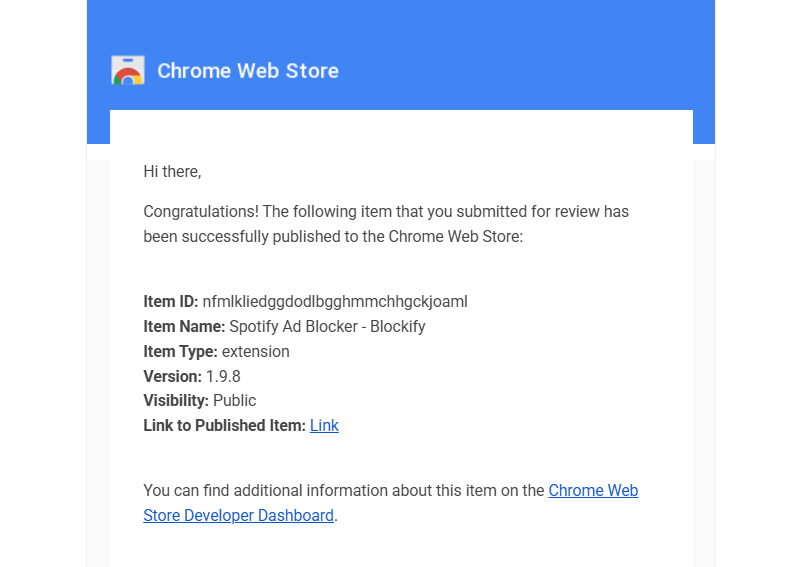
Chrome is gradually rolling out a browser update that restores and re-enables Blockify.
This process is slow, and some users may need to wait 1-2 days before they get the browser update that re-enables Blockify. Meanwhile, please use our Desktop App.
Is Blockify safe?
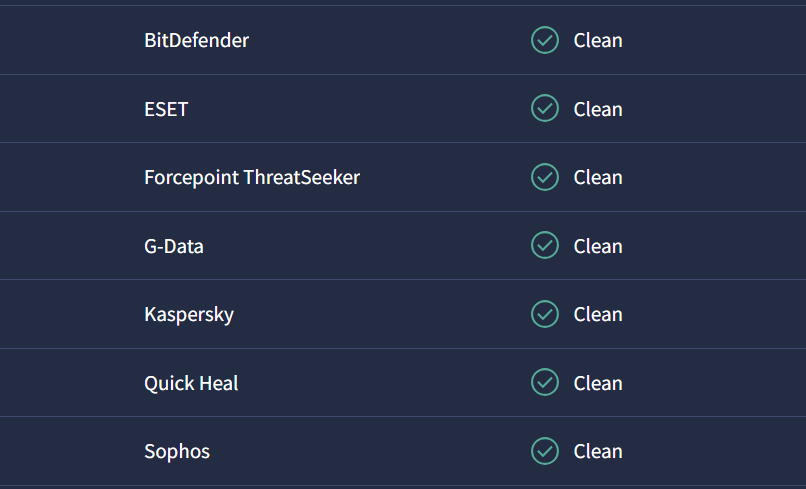
The published security checks are reassuring. The VirusTotal report for the Blockify Windows ZIP shows 0 of 63 security vendors flagging the file as malicious. Check out the reports for further review.
Why did Chrome display the warning?
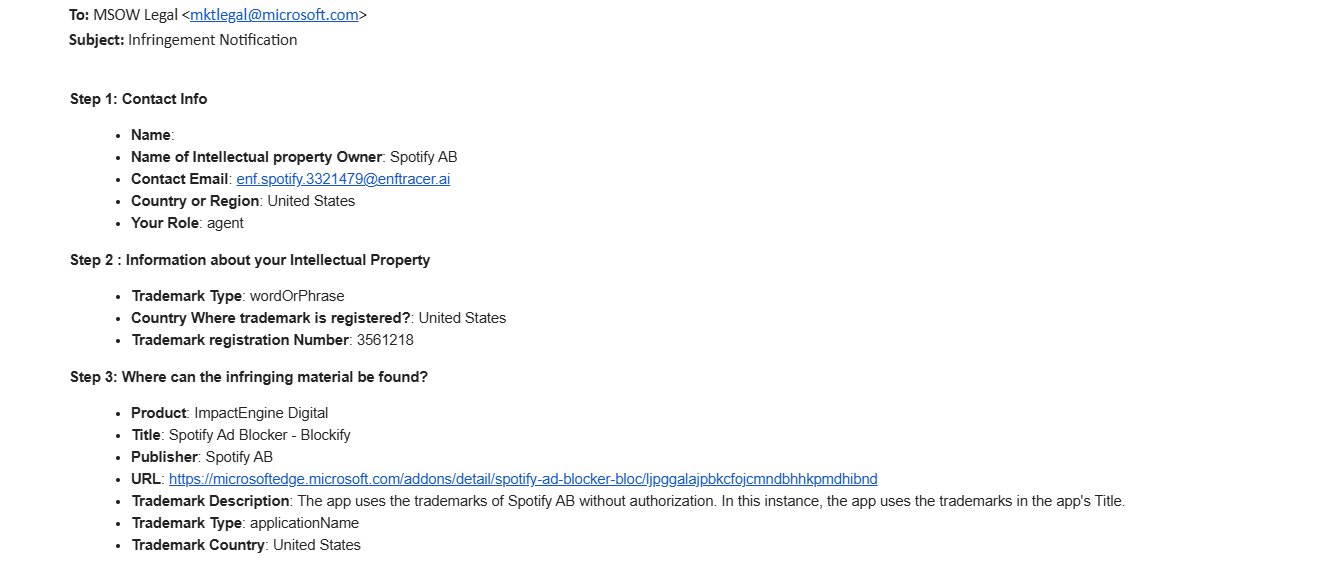
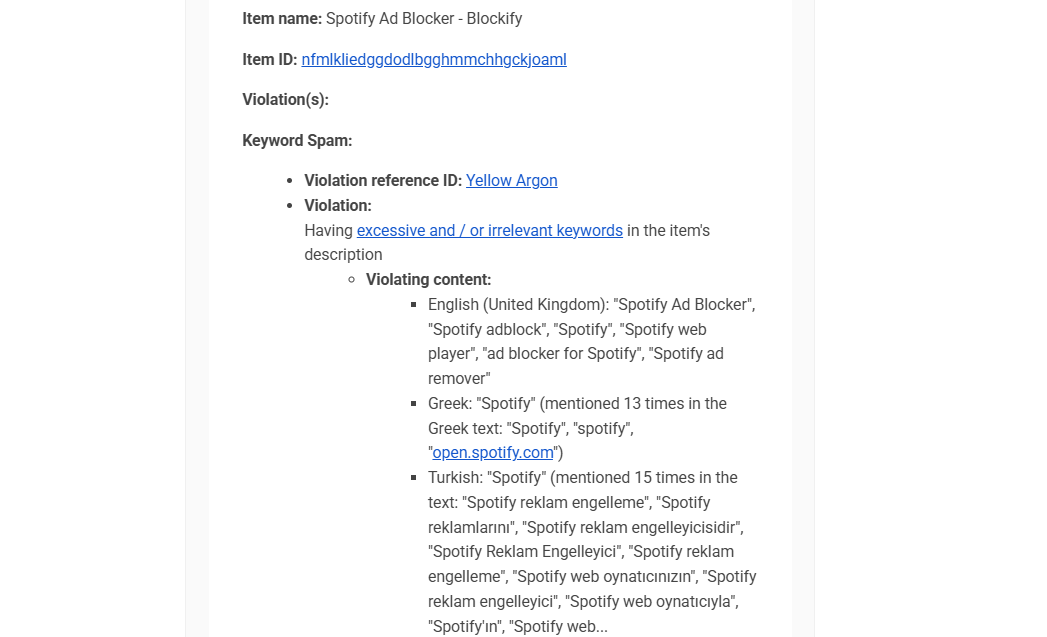
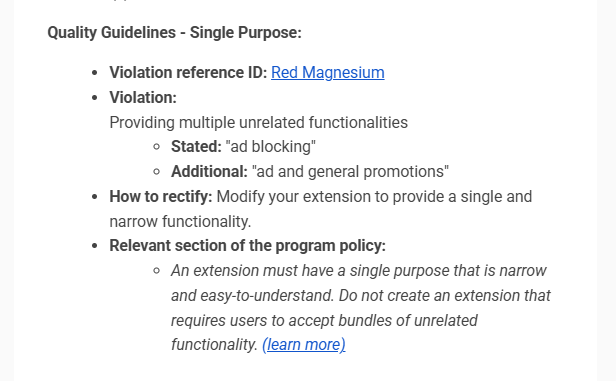
Chrome can display a warning when an extension is removed from the store or disabled. The notices we received concerned the extension name, repeated words in the store description, and how its ad-blocking purpose was described. We published those notices in the complete timeline so you can read them yourself.
Google has since approved the updated extension and restored its Chrome Web Store listing. If Chrome still shows you a warning, email us with its exact wording so we can help.
What exactly changed?
We addressed the trademark issue with the name, removed excessive keywords from the store description, and clarified the extension's single purpose: blocking ads. We submitted the changes to Google for review, and the approved update is now rolling out.
The extension's source code is also public for anyone who wants to inspect it.
If Blockify is already installed: No action is needed. You can continue browsing.
Can I inspect the code?
Yes. The extension and desktop app each have a public GitHub repository. You can read the code yourself or ask someone you trust to review it.
Why did this tab open by itself?
Blockify opens this update page after an automatic extension update to explain what happened and what changed. It is an update notice, and you can close it whenever you like.
Do I need to reinstall Blockify?
No reinstall is needed if Blockify is already installed and updated automatically. If you previously uninstalled it, you would need to install it again to use it.